
Understanding the psychological traps in gambling behavior
The Allure of Gambling: Understanding the Basics
Gambling has long fascinated individuals, providing an adrenaline rush that many find irresistible. The very nature of gambling hinges on the thrill of uncertainty, where the outcome is often determined by chance rather than skill. This randomness can lead people to engage in behaviors that they may not fully understand, ultimately leading to psychological traps that can be detrimental to their financial and emotional well-being. For more information, you can visit https://mondialcasino-canada.org, where numerous resources on gaming can enhance your understanding.
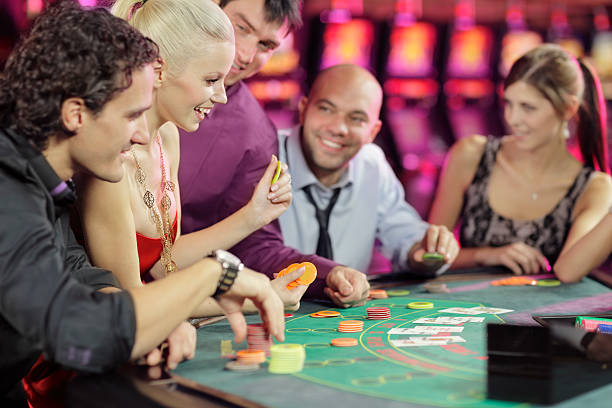
One such psychological trap is known as the “illusion of control,” where players believe they can influence the outcome of a game through their actions. For instance, a poker player might feel that their strategy can outweigh the randomness of the cards dealt. This false sense of agency can lead individuals to gamble more frequently, convinced that they can beat the odds, when in reality, the house edge is always present.
Additionally, the concept of near-misses plays a significant role in gambling psychology. When players come close to winning, such as landing two out of three matching symbols, their brains release dopamine, reinforcing the gambling behavior. This can create a compulsion to continue playing, as players chase that elusive win. Understanding these psychological nuances can help individuals recognize their motivations and the traps that may ensnare them.
The Impact of Cognitive Biases on Gambling Behavior
Cognitive biases are systematic patterns of deviation from norm or rationality in judgment, and they play a crucial role in gambling behavior. One common bias is the “gambler’s fallacy,” where individuals believe that past events affect future outcomes in random games. For instance, if a coin has landed on heads several times in a row, a gambler may irrationally think that tails is due. This kind of thinking can lead to increased betting, as players misjudge their chances based on irrelevant information. Advanced strategies can help counteract such biases and improve decision-making.
Another cognitive bias prevalent in gambling is the “confirmation bias.” Players often seek out information that confirms their beliefs about their gambling strategies while ignoring evidence that contradicts them. For example, if a player believes that a specific slot machine is “due” for a payout, they may only remember the wins while overlooking the losses. This selective perception can lead to persistent gambling behavior, even when the odds are against them.
Understanding these biases is essential for responsible gambling. By being aware of the cognitive traps that can distort judgment, players can develop more rational approaches to their gambling activities. Recognizing when emotions influence decisions can empower individuals to set limits and make more informed choices when they participate in gambling.
The Role of Emotions in Gambling Decisions
Emotions can heavily influence gambling decisions, often leading players into precarious situations. The excitement of winning can trigger a rush of euphoria, which may overshadow the risks involved. Conversely, feelings of frustration or sadness after a loss can lead to reckless decisions, such as chasing losses by increasing bets or playing longer than intended. This emotional rollercoaster can create a cycle of compulsive gambling.
The concept of “loss aversion” is crucial in understanding how emotions affect gambling behavior. Loss aversion refers to the tendency for individuals to prefer avoiding losses over acquiring equivalent gains. Gamblers who experience losses may feel the need to recover those losses quickly, which can lead to more gambling in a misguided attempt to regain control. This emotional drive can cloud judgment and escalate the gambling experience, sometimes resulting in significant financial fallout.
Additionally, social influences can amplify emotional responses in gambling settings. Whether in a bustling casino or an online gaming environment, the reactions of fellow players can impact an individual’s emotional state. Observing others win can create a sense of urgency or competition, prompting players to take risks they might avoid if alone. Understanding these emotional dynamics can help individuals navigate their gambling experiences more thoughtfully.
The Consequences of Ignoring Psychological Traps
Failing to recognize and address the psychological traps in gambling can lead to severe consequences. Financial problems are often the most immediate result, as individuals may find themselves spending more than they can afford in pursuit of a win. The cycle of chasing losses can create a dangerous spiral, leading to debt, borrowing, and, in extreme cases, financial ruin.
The emotional consequences can be just as damaging, with many gamblers experiencing anxiety, depression, and feelings of isolation. The stigma surrounding problem gambling can deter individuals from seeking help, trapping them in a cycle of secrecy and shame. Without intervention, this emotional toll can lead to strained relationships with family and friends, creating an environment of despair and frustration.
Furthermore, the societal implications of unchecked gambling behaviors are significant. Communities can suffer when individuals become addicted to gambling, leading to increased crime rates, bankruptcy, and a burden on social services. Understanding the broader impact of psychological traps in gambling can foster community dialogue around responsible gaming and encourage initiatives aimed at educating players about these risks.

Exploring Responsible Gambling at Mondial Casino Canada
At Mondial Casino Canada, understanding the psychological traps in gambling behavior is paramount to promoting a safe and enjoyable gaming environment. With over 2,600 games available, including slots, live dealers, and table games, the platform emphasizes responsible gambling practices. New players are encouraged to set limits on their gaming activities, ensuring that their experience remains fun and engaging without crossing into compulsive behavior.
The casino offers resources for players to understand their gambling habits better and recognize when they might be falling into psychological traps. By providing tools for self-assessment and information on responsible gaming, Mondial Casino aims to empower its players to make informed decisions. The goal is to create a gaming experience where enjoyment is prioritized over financial gain, fostering a healthier relationship with gambling.
With 24/7 customer support and various promotions to engage loyal players, Mondial Casino Canada is committed to ensuring that its community of gamers enjoys a balanced and responsible gaming experience. The commitment to understanding psychological traps in gambling behavior reflects the platform’s dedication to player welfare and a safe gaming environment for all.